
Fix Leadership to Unite the UK
Leadership or Continuity. Renewal or Stability. What Is Best for the UK?
People who care about this issue are not always connected. This space exists to bring those concerned together so they can act collectively. If you are negatively impacted, or if this resonates, and you want to help, have experience or ideas to move this activity forward, then get involved. We’ll show you how below. Check the Act Now section below for simple next steps you can take now. Note: All listings remain active until outcomes are either delivered or the listing is no longer required.
Log in to rate this issue and help influence change.
Activity Listing Details
Ambition
To explore whether the Labour Party should consider electing a new leader capable of uniting the country, strengthening public trust, and advancing national priorities, or whether existing leadership should continue to drive long-term strategy.
Ambition Type
Political
Level
PL5 - Global Participation
Goal
Stop What Needs Stopping, Co-Create New Realities
Audience
General Public, Students, Young People (16-25), Parent & Carers, Retired People, Engaged Citizens, Community Leaders & Volunteers, Activists & Advocates, Politicians & Policy Professionals
Situation
The Labour Party, as a major political actor in the United Kingdom, plays a central role in shaping national policy and leadership direction. Public confidence in leadership and the ability to unite the country has become a recurring point of discussion.
Some view a leadership change as an opportunity to:
– Reinvigorate political debate
– Broaden public support
– Present a clear national vision aligned with public priorities
Others argue continuity is important to maintain stability, pursue ongoing initiatives, and avoid further political fragmentation.
Key considerations include:
– How leadership affects party cohesion and national unity
– The ability to respond effectively to current economic, social, and international challenges
– Public trust in political institutions and the democratic process
– Long-term strategy versus short-term popularity
This is a system-level question: not about personalities, but about the role of leadership in building trust, capability, and national direction.
Some view a leadership change as an opportunity to:
– Reinvigorate political debate
– Broaden public support
– Present a clear national vision aligned with public priorities
Others argue continuity is important to maintain stability, pursue ongoing initiatives, and avoid further political fragmentation.
Key considerations include:
– How leadership affects party cohesion and national unity
– The ability to respond effectively to current economic, social, and international challenges
– Public trust in political institutions and the democratic process
– Long-term strategy versus short-term popularity
This is a system-level question: not about personalities, but about the role of leadership in building trust, capability, and national direction.
Outcomes
If explored effectively, this could lead to:
– A clearer understanding of public opinion on leadership renewal versus continuity
– Greater insight into how political leadership influences national unity
– Practical proposals for strengthening accountability and responsiveness within parties
– Identification of strategies that encourage collaboration and broad-based support
– A foundation for informed debate on leadership and national priorities
– New actors coming forward to drive necessary changes and improvements
– A clearer understanding of public opinion on leadership renewal versus continuity
– Greater insight into how political leadership influences national unity
– Practical proposals for strengthening accountability and responsiveness within parties
– Identification of strategies that encourage collaboration and broad-based support
– A foundation for informed debate on leadership and national priorities
– New actors coming forward to drive necessary changes and improvements
Act Now
Join Discussion Group, Join Ideas-Shared, Rate Listing, Share Listing
In Group
Participants may focus on:
– Identifying new leadership candidates
– Evaluating the advantages and disadvantages of leadership change
– Discussing historical examples of party renewal and leadership impact
– Exploring ways leadership can align with long-term public interest
– Identifying mechanisms to strengthen party accountability and national cohesion
– Considering strategies to build trust across political divides
– Identifying new leadership candidates
– Evaluating the advantages and disadvantages of leadership change
– Discussing historical examples of party renewal and leadership impact
– Exploring ways leadership can align with long-term public interest
– Identifying mechanisms to strengthen party accountability and national cohesion
– Considering strategies to build trust across political divides
Status
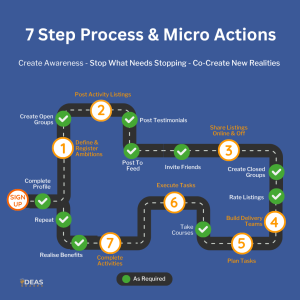
At Step 3 - Group Engagement
Map Reference
Address
Downing Street, Westminster, Covent Garden, City of Westminster, Greater London, England, SW1A 2AS, United Kingdom
Downing Street, Westminster, Covent Garden, City of Westminster, Greater London, England, SW1A 2AS, United Kingdom
Interest Areas
Links
Public Group Link
Media
Contact Details
Website