Eliminate Age Bias in Hiring Across the Workforce
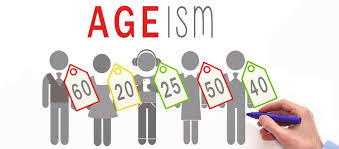
When “overqualified” really means “too old”, everyone loses.
People who care about this issue are not always connected. This space exists to bring those concerned together so they can act collectively. If you are negatively impacted, or if this resonates, and you want to help, have experience or ideas to move this activity forward, then get involved. We’ll show you how below. Check the Act Now section below for simple next steps you can take now. Note: All listings remain active until outcomes are either delivered or the listing is no longer required.
Log in to rate this issue and help influence change.
Activity Listing Details
Ambition
To expose and challenge age-based bias in hiring, and to promote a more balanced, outcome-focused approach where experience is recognised as an asset, not filtered out.
Ambition Type
Personal, Social, Business, Economic
Level
PL5 - Global Participation
Goal
Make Others Aware, Stop What Needs Stopping, Co-Create New Realities
Audience
General Public, Engaged Citizens, Community Leaders & Volunteers, Activists & Advocates, Business Owners & Entrepreneurs, Professionals & Specialists
Situation
It happens every day.
Experienced professionals apply for roles they are more than capable of doing.
They are rejected.
Not because they lack ability.
But because they are seen as “overqualified”.
Everyone understands what that really means.
Too experienced.
Too expensive.
Too old.
At the same time, organisations struggle with:
– poor decision-making
– repeated mistakes
– lack of operational experience
– avoidable failures
And then wonder why.
In many cases, the very people who have:
– seen businesses grow
– watched them fail
– helped them recover
– and delivered results
…are filtered out before they even get a conversation.
This is not a talent problem.
It is a mindset problem.
Short-term thinking.
Cultural bias.
And a failure to recognise the value of lived experience.
When experience is excluded, capability is lost.
And when capability is lost, performance suffers.
Experienced professionals apply for roles they are more than capable of doing.
They are rejected.
Not because they lack ability.
But because they are seen as “overqualified”.
Everyone understands what that really means.
Too experienced.
Too expensive.
Too old.
At the same time, organisations struggle with:
– poor decision-making
– repeated mistakes
– lack of operational experience
– avoidable failures
And then wonder why.
In many cases, the very people who have:
– seen businesses grow
– watched them fail
– helped them recover
– and delivered results
…are filtered out before they even get a conversation.
This is not a talent problem.
It is a mindset problem.
Short-term thinking.
Cultural bias.
And a failure to recognise the value of lived experience.
When experience is excluded, capability is lost.
And when capability is lost, performance suffers.
Outcomes
– Greater awareness of age bias in hiring practices
– Increased accountability in recruitment decisions
– Better utilisation of experienced professionals
– More balanced, high-performing teams
– Reduced repetition of avoidable mistakes in organisations
– Increased accountability in recruitment decisions
– Better utilisation of experienced professionals
– More balanced, high-performing teams
– Reduced repetition of avoidable mistakes in organisations
Act Now
Join Discussion Group, Join Ideas-Shared, Rate Listing, Share Listing
In Group
– Share real hiring and rejection experiences
– Explore where bias enters the process
– Compare hiring practices across industries
– Identify what effective, experience-balanced teams look like
– Develop practical ways to improve recruitment decisions
– Explore where bias enters the process
– Compare hiring practices across industries
– Identify what effective, experience-balanced teams look like
– Develop practical ways to improve recruitment decisions
Status
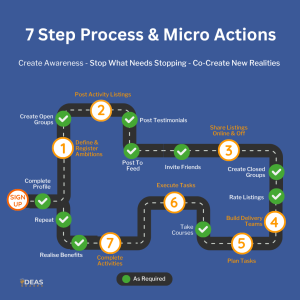
At Step 3 - Group Engagement
Map Reference
Address
Capital Circle, Capital Hill, Canberra, District of Canberra Central, Australian Capital Territory, 2600, Australia
Capital Circle, Capital Hill, Canberra, District of Canberra Central, Australian Capital Territory, 2600, Australia
Interest Areas
Links
Public Group Link
Media
Contact Details
Website