The Local Election Results Sent a Shockwave Through British Politics. What Happens Next?
People who care about this issue are not always connected. This space exists to bring those concerned together so they can act collectively. If you are negatively impacted, or if this resonates, and you want to help, have experience or ideas to move this activity forward, then get involved. We’ll show you how below. Check the Act Now section below for simple next steps you can take now. Note: All listings remain active until outcomes are either delivered or the listing is no longer required.
Log in to rate this issue and help influence change.
Activity Listing Details
Ambition
To help ordinary people across the United Kingdom coordinate peaceful, lawful, democratic pressure for meaningful political change following the recent local election results.
Ambition Type
Social, Economic, Political
Level
PL4 - National Participation
Goal
Co-Create New Realities
Audience
General Public, Students, Young People (16-25), Parent & Carers, Retired People, Engaged Citizens, Community Leaders & Volunteers, Activists & Advocates
Situation
The recent local elections delivered one of the clearest political shockwaves seen in modern British politics.
Across England, voters moved away from the traditional political establishment in large numbers. Long-standing political loyalties fractured, councils changed hands dramatically, and many previously safe areas experienced major political upheaval.
The results were not isolated setbacks for individual parties.
They pointed toward growing dissatisfaction with:
- the direction of the country
- economic pressure and declining living standards
- political performance and delivery
- immigration and border concerns
- public services
- accountability and trust
- and a growing feeling that Westminster no longer reflects the priorities of many ordinary people
The scale of the results was extraordinary:
- Reform UK won 1,453 council seats nationally, gaining 1,451 seats overall
- Labour lost approximately 1,496 council seats
- Labour lost control of 38 councils
- Reform UK gained control of 14 councils
- The Green Party gained 411 seats and took control of 5 councils
- The Conservatives lost more than 560 seats
Several symbolic political strongholds also shifted dramatically:
- Sunderland saw Labour reduced to a small number of councillors while Reform UK took control
- Tameside lost Labour’s long-held majority
- Newcastle-under-Lyme saw Reform UK take outright control while Labour collapsed heavily
- Barnsley experienced a major shift away from traditional Labour dominance
For many people, these results confirmed something they already believed:
The current political direction is failing large sections of the country.
At the same time, millions of people increasingly feel politically disconnected.
Some no longer trust Labour.
Some no longer trust the Conservatives.
Others believe Westminster has become detached from the realities facing ordinary people and communities.
But elections alone do not automatically create meaningful change.
Every election cycle, public frustration rises, headlines dominate for a few days, political debate intensifies, and then momentum fragments again.
The question now is whether ordinary people can move beyond isolated frustration and begin coordinating around measurable democratic outcomes.
**The Core Question**
If large numbers of people now want political change in the United Kingdom, how can ordinary citizens coordinate effectively enough to help influence what happens next?
Across England, voters moved away from the traditional political establishment in large numbers. Long-standing political loyalties fractured, councils changed hands dramatically, and many previously safe areas experienced major political upheaval.
The results were not isolated setbacks for individual parties.
They pointed toward growing dissatisfaction with:
- the direction of the country
- economic pressure and declining living standards
- political performance and delivery
- immigration and border concerns
- public services
- accountability and trust
- and a growing feeling that Westminster no longer reflects the priorities of many ordinary people
The scale of the results was extraordinary:
- Reform UK won 1,453 council seats nationally, gaining 1,451 seats overall
- Labour lost approximately 1,496 council seats
- Labour lost control of 38 councils
- Reform UK gained control of 14 councils
- The Green Party gained 411 seats and took control of 5 councils
- The Conservatives lost more than 560 seats
Several symbolic political strongholds also shifted dramatically:
- Sunderland saw Labour reduced to a small number of councillors while Reform UK took control
- Tameside lost Labour’s long-held majority
- Newcastle-under-Lyme saw Reform UK take outright control while Labour collapsed heavily
- Barnsley experienced a major shift away from traditional Labour dominance
For many people, these results confirmed something they already believed:
The current political direction is failing large sections of the country.
At the same time, millions of people increasingly feel politically disconnected.
Some no longer trust Labour.
Some no longer trust the Conservatives.
Others believe Westminster has become detached from the realities facing ordinary people and communities.
But elections alone do not automatically create meaningful change.
Every election cycle, public frustration rises, headlines dominate for a few days, political debate intensifies, and then momentum fragments again.
The question now is whether ordinary people can move beyond isolated frustration and begin coordinating around measurable democratic outcomes.
**The Core Question**
If large numbers of people now want political change in the United Kingdom, how can ordinary citizens coordinate effectively enough to help influence what happens next?
How To Help
Members may wish to:
- share this listing
- organise local discussion groups
- launch awareness campaigns
- create petitions
- coordinate peaceful demonstrations
- support political reform proposals
- analyse election trends and voting patterns
- discuss democratic accountability between elections
- identify practical leverage points capable of influencing leadership or policy
- collaborate around specific ambitions for national or local change
- connect communities experiencing similar frustrations
- share strategies capable of increasing participation and visibility
- share this listing
- organise local discussion groups
- launch awareness campaigns
- create petitions
- coordinate peaceful demonstrations
- support political reform proposals
- analyse election trends and voting patterns
- discuss democratic accountability between elections
- identify practical leverage points capable of influencing leadership or policy
- collaborate around specific ambitions for national or local change
- connect communities experiencing similar frustrations
- share strategies capable of increasing participation and visibility
Outcomes
- Turn public frustration into coordinated democratic participation
- Explore lawful and peaceful ways to influence political direction
- Build sustained momentum rather than allowing frustration to dissipate
- Connect people who want measurable political change
- Share ideas, strategies, and opportunities for civic action
- Encourage practical participation rather than passive observation
- Explore reforms capable of restoring trust, accountability, and delivery
- Help people organise around clear political ambitions and outcomes
- Explore lawful and peaceful ways to influence political direction
- Build sustained momentum rather than allowing frustration to dissipate
- Connect people who want measurable political change
- Share ideas, strategies, and opportunities for civic action
- Encourage practical participation rather than passive observation
- Explore reforms capable of restoring trust, accountability, and delivery
- Help people organise around clear political ambitions and outcomes
Act Now
Add Review, Join Ideas-Shared, Rate Listing, Share Listing
Status
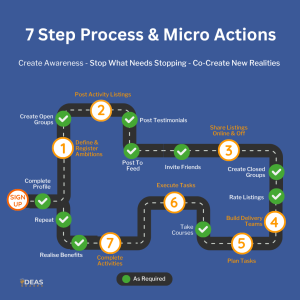
At Step 3 - Sharing Only
Map Reference
Address
Parliament Square, Westminster, Millbank, City of Westminster, Greater London, England, United Kingdom
Parliament Square, Westminster, Millbank, City of Westminster, Greater London, England, United Kingdom
Interest Areas
Contact Details
Website